


Is Using AI for School Cheating? Here’s What Actually Matters
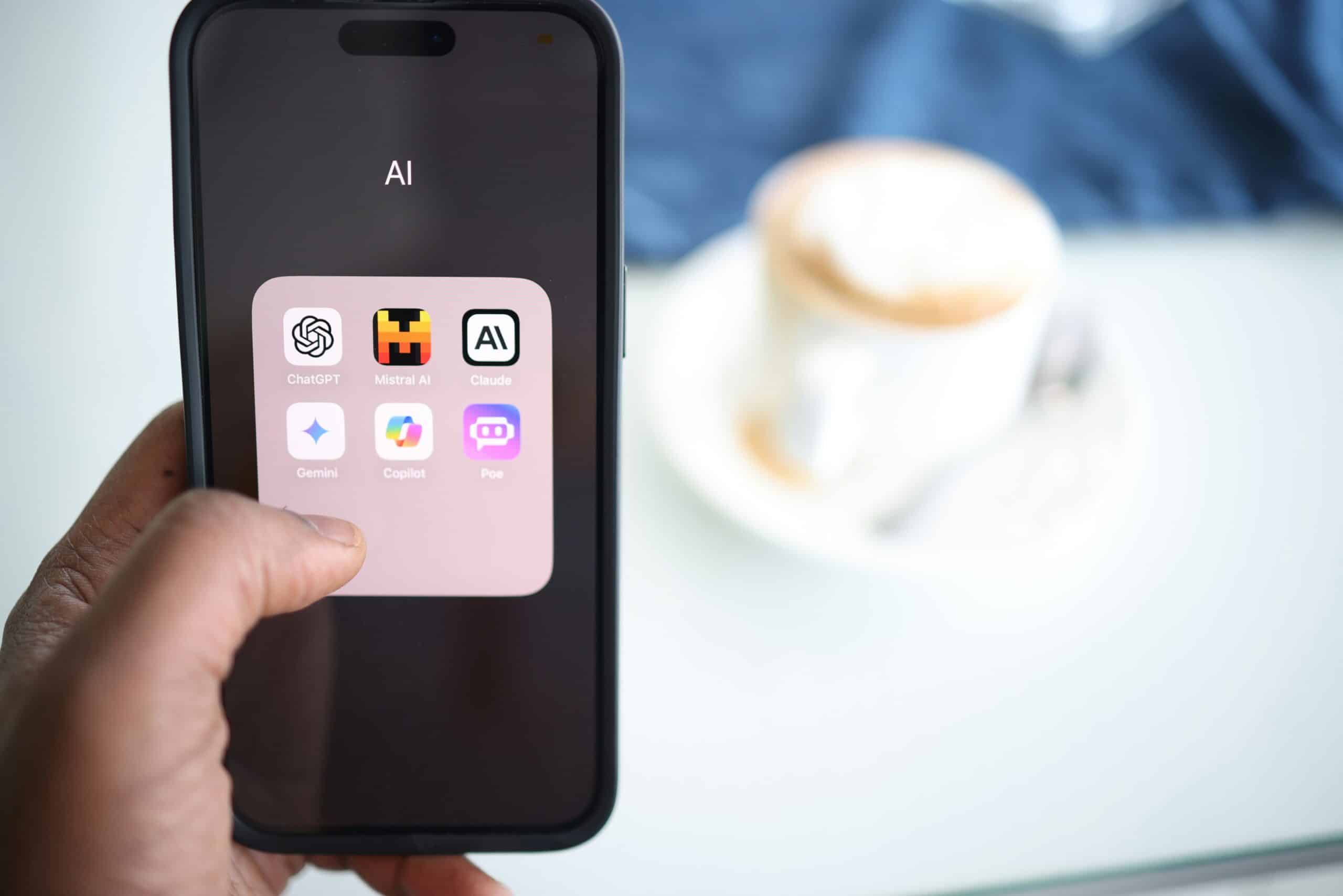
If you’ve used ChatGPT to help with an assignment this year, you’re not alone. Among US teens aged 13–17, 54% already use AI chatbots for schoolwork, and in the UK, the share of undergraduates using AI for assessments jumped from 53% to 88% in a single academic year. That’s not a fringe behaviour — that’s a generation-wide shift.
But with that shift has come real anxiety. Students are being flagged by detection tools for work they actually wrote. A Palo Alto high schooler’s family filed a civil rights suit after an AI cheating accusation. A University of Houston student received a zero on an assignment despite Google Docs history showing she had drafted it herself.
So let’s actually answer the question: is using AI cheating?
The honest answer: it depends entirely on how you’re using it — and the line is clearer than you might think.
The line isn’t “AI vs. no AI.” It’s understanding vs. outsourcing.
Using AI to explain a concept you don’t understand? That’s studying. It’s the same as Googling something, rewatching a lecture, or asking a tutor — just faster. Using AI to write your essay and submitting it as your own? That’s outsourcing your thinking. You didn’t learn anything, and you’re presenting work that isn’t yours. That’s the actual problem — and it’s a version of academic dishonesty that existed long before AI did.
A student who learns to use AI thoughtfully — who can evaluate and improve AI output, and explain and defend their thinking — is demonstrating precisely the skills that matter in 2026. A student who submits unedited AI output without understanding it is not learning anything useful, and is taking a significant and detectable risk.
The distinction matters not just ethically, but practically. If you’re revising for exams using AI to quiz you and explain concepts, you’ll have learned the material. If you’ve been submitting AI-written work all year, you’ll hit a wall when it counts — in the exam room, with no AI to bail you out. Learning how to build a revision approach that actually sticks is far more valuable than any shortcut.
What schools are actually doing about it
68% of schools now use AI detection tools to flag potentially AI-generated content, with Turnitin being the most widely deployed. But these tools are imperfect — and institutions increasingly know it. Vanderbilt University has disabled Turnitin’s AI detection feature entirely, citing equity, accuracy, and transparency concerns.
What’s replacing pure detection? Process. More schools are moving toward oral defences, in-class writing, and assignments that require personal reflection or local context AI can’t replicate. 45% of institutions are redesigning assessments to reduce the effectiveness of AI cheating — including more process-based assignments and in-class writing.
What that means practically: even if submitting AI-written work went undetected this year, the trajectory is clear. The assessments of the future will make that approach irrelevant. Building your own thinking skills now matters.
A practical framework: what’s fine, what’s grey, what’s not
✅ AI as tutor — always fine Ask it to explain concepts in plain language. Have it quiz you on a topic. Ask why you got a practice question wrong, or to break down a complex idea step by step. This is genuine studying, and it’s one of the best use cases AI has ever had.
⚠️ AI as writing assistant — usually fine, with transparency Using AI to give feedback on a draft you’ve written, suggest better phrasing, or help you restructure an argument? Most institutions are fine with this — but check your school’s specific policy, since rules vary significantly by course and teacher. If in doubt, disclose it.
❌ AI as ghostwriter — not fine Prompting AI to write your assignment and submitting it as your own work misrepresents your understanding and undermines the assessment. Beyond the ethics, it’s detectable — and the consequences are serious.
For students balancing multiple subjects and submission deadlines, staying on top of what’s due when is actually the best way to avoid ever feeling desperate enough to cut corners. MyStudyLife’s task and exam tracker keeps everything in one place so you’re never caught off guard by a deadline.
The thing nobody talks about: AI makes mistakes

One underrated reason not to rely on AI to do your work: AI confidently makes things up. If you don’t understand the subject yourself, you won’t catch the errors — and you’ll submit them. Students have lost marks not because AI was detected, but because the AI-written content was subtly, confidently wrong.
Your own understanding is the quality control layer. Without it, you’re trusting a tool that hallucinates. This is especially critical in subjects like history, science, and law, where precision matters enormously.
How to use AI well for studying
Here’s a simple, practical approach:
- Use it to understand, not to produce. “Explain the causes of World War I as if I’m 16” is a great prompt. “Write my essay on the causes of World War I” is not.
- Quiz yourself with it. Ask it to generate practice questions on a topic, then answer them without looking. It’s one of the most effective active recall tools available.
- Check its outputs. Always verify AI-generated explanations against your textbook or class notes. If they conflict, trust your source material.
- Keep track of what you actually know. Use your student planner to log which topics you’ve reviewed and which still need work — AI can help you learn, but only you can track your own progress.
If you’re heading into exams and need a structured approach to revision, our guide on how to create a revision timetable that actually works is a good place to start. And if you’re preparing for IB exams specifically, these last-minute study tips cover what to prioritise in the final days.
The bottom line
The question isn’t really “is AI cheating?” It’s “am I actually learning?”
If your use of AI is helping you understand more, think more clearly, and build genuine knowledge — it’s working for you. If it’s a shortcut that bypasses the learning entirely, you’re the one who loses, regardless of whether anyone catches you.
Use AI to understand your subjects. Stay organised with your real workload. And never be in a position where you feel like you need to cut corners — because you didn’t plan ahead.
→ Try MyStudyLife free — iOS, Android, and web Track your classes, tasks, and exams in one place. Synced across every device.


