


The May 2026 IB exam session is underway — and whether you’re mid-sprint or staring down your final papers, it’s not too late to sharpen your approach. Here’s how to make every remaining hour count.

It’s mid-May, the IB Diploma Programme exam window is in full swing, and if you’re reading this, you’re probably feeling the pressure. The May 2026 IB exams run from April 24 to May 20, meaning most students are deep into the final stretch right now — with results landing on July 6, 2026.
Here’s the truth: the weeks and days before (and between) exams still matter enormously. Research consistently shows that how you study in the final stretch has a greater impact on performance than how many hours you log. Whether you’ve got two days or two papers left, these strategies are built for right now.
1. Stop Trying to Learn Everything — Triage Your Remaining Subjects
The biggest mistake students make in the last days of IB exams is trying to cover everything. You can’t, and attempting it will only scatter your focus.
Instead, triage. For each remaining paper, ask yourself three questions:
- What topics carry the heaviest mark weighting on this paper?
- Where do I have the biggest knowledge gaps that are still fixable?
- Which areas am I already strong in and can afford to skim?
If you’re sitting Maths AA HL Paper 2 or Biology HL Paper 3 in the next few days, you don’t need to re-learn the entire syllabus. You need to identify the two or three topic areas where a focused revision session will yield the most marks. This is sometimes called the “80/20 rule” of exam prep — roughly 80% of your mark gains will come from 20% of the remaining topics you study.
Use MyStudyLife’s exam tracker to see your remaining papers at a glance and prioritise accordingly. Tag each subject by urgency so your highest-impact revision is always front and centre.
2. Use Past Papers as Your Primary Revision Tool
If you only do one thing with your remaining study time, make it past papers. This is universally regarded as the single most effective last-minute revision strategy for IB exams — and for good reason.
Past papers do three things at once:
- They expose recurring question types and themes, so you can predict what’s likely to appear.
- They train your exam technique — structuring answers, managing time, and hitting command terms.
- They reveal gaps you didn’t know you had, while there’s still time to address them.
The IB uses specific command terms (analyse, evaluate, discuss, outline, compare) that tell you exactly what examiners want. If you don’t know the difference between “explain” and “evaluate,” you’re leaving marks on the table regardless of how well you know the content.
When working through past papers, don’t just check your answers — read the mark schemes carefully. IB mark schemes show you the exact phrasing and structure examiners are looking for, which is often quite different from how a textbook explains the same concept.
Pro tip: If time is extremely tight, skip writing full answers and instead practice planning responses — outline the key points, identify the command term, and note which syllabus content you’d reference. This takes a fraction of the time but still builds the mental muscle of structuring exam answers.
3. Master the Art of the Exam Brain Dump
Here’s a technique that top-scoring IB students swear by: the brain dump.
When you sit down at the start of an exam (or during reading time, if applicable), immediately jot down key formulas, definitions, dates, or frameworks from memory onto your planning paper. Don’t wait until you need them mid-question — get them out of your head and onto paper while they’re fresh.
This works especially well for:
- Maths and Sciences: Key formulas, constants, and unit conversions.
- History: Dates, names, and historiographical perspectives you’ve memorised.
- Economics: Diagrams you know you’ll need (AD/AS, market failure, etc.).
- Languages: Transition phrases, essay structures, and key vocabulary.
The brain dump frees up working memory so you can focus on analysis and application rather than recall. It also reduces the panic of blanking mid-exam — if it’s already on paper, you’ve got a safety net.
4. Study in Focused Sprints, Not Marathons

All-night cramming sessions feel productive, but research from the American Psychological Association consistently finds that they’re counterproductive. Sleep-deprived students perform worse on complex tasks — exactly the kind of thinking IB exams demand.
Instead, use the Pomodoro Technique: 25 minutes of focused study followed by a 5-minute break. After four cycles, take a longer 15–20 minute break. This approach keeps your brain fresh and prevents the diminishing returns that come from marathon study sessions.
Between exams, structure your revision day around three to four focused sprint blocks rather than eight hours of vague “studying.” Each block should have a clear goal — “Complete one Biology Paper 2 past paper and review mark scheme” is a plan. “Study Biology” is not.
MyStudyLife’s task management features let you break revision into specific, time-blocked sessions with reminders, so your study plan is concrete rather than aspirational.
5. Know Your Paper Structure Cold
This sounds obvious, but you’d be surprised how many IB students walk into an exam without fully understanding how many marks each section is worth, how many questions they need to answer, or how long they should spend on each.
Before every remaining paper, review:
- Total marks and time: Calculate your minutes-per-mark ratio. For a 90-minute paper worth 60 marks, you have 1.5 minutes per mark — which means a 6-mark question deserves about 9 minutes.
- Section structure: Know whether you have choice (e.g., History Paper 2 lets you choose from multiple topics) and plan which options you’ll tackle before you sit down.
- Mark allocation: Understand the difference between a 2-mark “outline” question and a 10-mark “evaluate” question. Your answer depth should match the marks available.
Time management inside the exam is one of the most controllable factors in your final score. Students who run out of time almost always do so because they over-invested in early questions and left high-value questions unanswered at the end.
6. Use Active Recall, Not Passive Re-Reading
Re-reading your notes or highlighting textbooks feels productive, but it’s one of the least effective ways to lock information into memory. The science on this is clear: active recall — testing yourself on material from memory — produces significantly stronger retention than passive review.
Practical ways to use active recall in the final days:
- Flashcards: Use apps like Anki or Quizlet, or make physical flashcards for key definitions, formulas, and case studies. The act of retrieving the answer from memory is what strengthens it.
- Teach it: Explain a concept out loud to a friend, a family member, or even yourself. If you can’t explain it clearly, you don’t understand it well enough.
- Cover and test: Read a section of notes, then close them and write down everything you remember. Compare what you wrote with the original and focus on what you missed.
- Practice questions without notes: Attempt past paper questions under timed conditions without your notes open. Check afterwards.
Even 20 minutes of active recall is worth more than two hours of passive re-reading. If time is tight, this is where you should invest it.
7. Don’t Neglect the Basics: Sleep, Food, and Movement
It’s tempting to sacrifice sleep, skip meals, and chain yourself to your desk during IB exam season. Don’t. Your brain is doing some of the most demanding cognitive work it’s ever been asked to do, and it needs fuel.
Sleep: Aim for seven to eight hours the night before each exam. Memory consolidation happens during sleep — pulling an all-nighter before a paper actively undermines the revision you did the day before. If you can’t sleep a full eight hours, even a shorter night of proper sleep is better than no sleep at all.
Food: Eat balanced meals with protein, complex carbohydrates, and healthy fats. Avoid sugar crashes from energy drinks and sweets — they spike your energy and then leave you foggy. A solid breakfast before an exam (eggs, oats, fruit) will serve you far better than a Red Bull.
Movement: Even a 15-minute walk between study sessions improves blood flow to the brain and has been shown to boost focus and retention. You don’t need a full workout — just move.
8. Manage Exam Anxiety with Preparation, Not Avoidance
Some stress before exams is normal and even beneficial — it sharpens focus and signals that you care about the outcome. But when anxiety tips into panic, it can freeze your thinking and tank your performance.
The best antidote to exam anxiety is preparation-based confidence. That doesn’t mean knowing everything — it means knowing that you have a strategy for every paper, that you’ve practised under timed conditions, and that you know how to approach questions even when the content is unfamiliar.
Specific anxiety-reduction techniques that work during exam season:
- Visualise the exam: Before you walk in, mentally run through the process — sitting down, reading the paper, planning your first answer, writing. Familiarity reduces the shock factor.
- Box breathing: Inhale for four seconds, hold for four, exhale for four, hold for four. Repeat three times. This activates your parasympathetic nervous system and physically calms you down.
- Reframe pressure: Instead of “I have to get a 7,” try “I’m going to show what I know.” Shifting from outcome-focus to process-focus reduces performance anxiety.
If you’re feeling overwhelmed, that’s a signal to simplify your plan — not to pile on more revision. Cut your study list down to the essentials and focus on execution.
9. Use the Gaps Between Exams Strategically
The IB exam schedule is built with gaps between papers — some subjects have two or three days between Paper 1 and Paper 2. These gaps are golden.
Here’s how to use them:
- Day before a paper: Do one past paper under timed conditions in the morning. Spend the afternoon reviewing the mark scheme, then do a final review of your weakest topic in that subject. Stop studying by early evening and rest.
- Day between Paper 1 and Paper 2 of the same subject: Review how Paper 1 went (without spiralling). Focus your revision on the specific content and question types that Paper 2 covers. For example, if you just sat History HL Paper 1 (source-based), shift your focus to the essay structure needed for Paper 2.
- Free days with no exams: Split your study time across your next two upcoming subjects rather than putting all your energy into one.
Track these gaps and plan your sessions in advance using MyStudyLife’s calendar planner, which lets you schedule study sessions alongside your exam dates so nothing falls through the cracks.
10. Remember: Your IB Score Is Not Your Worth
This one isn’t a study tip — it’s a reality check. The IB Diploma is one of the most rigorous secondary programmes in the world, and sitting these exams is a genuine achievement regardless of the numbers on your results page in July.
Universities look at the whole picture. Employers will never ask for your IB score. Your worth as a student, as a thinker, and as a person is not determined by whether you scored a 6 or a 7 in Chemistry HL.
Do your best in the time you have left. Use these strategies to work smarter. And when your last paper is done, take a breath. You’ve earned it.
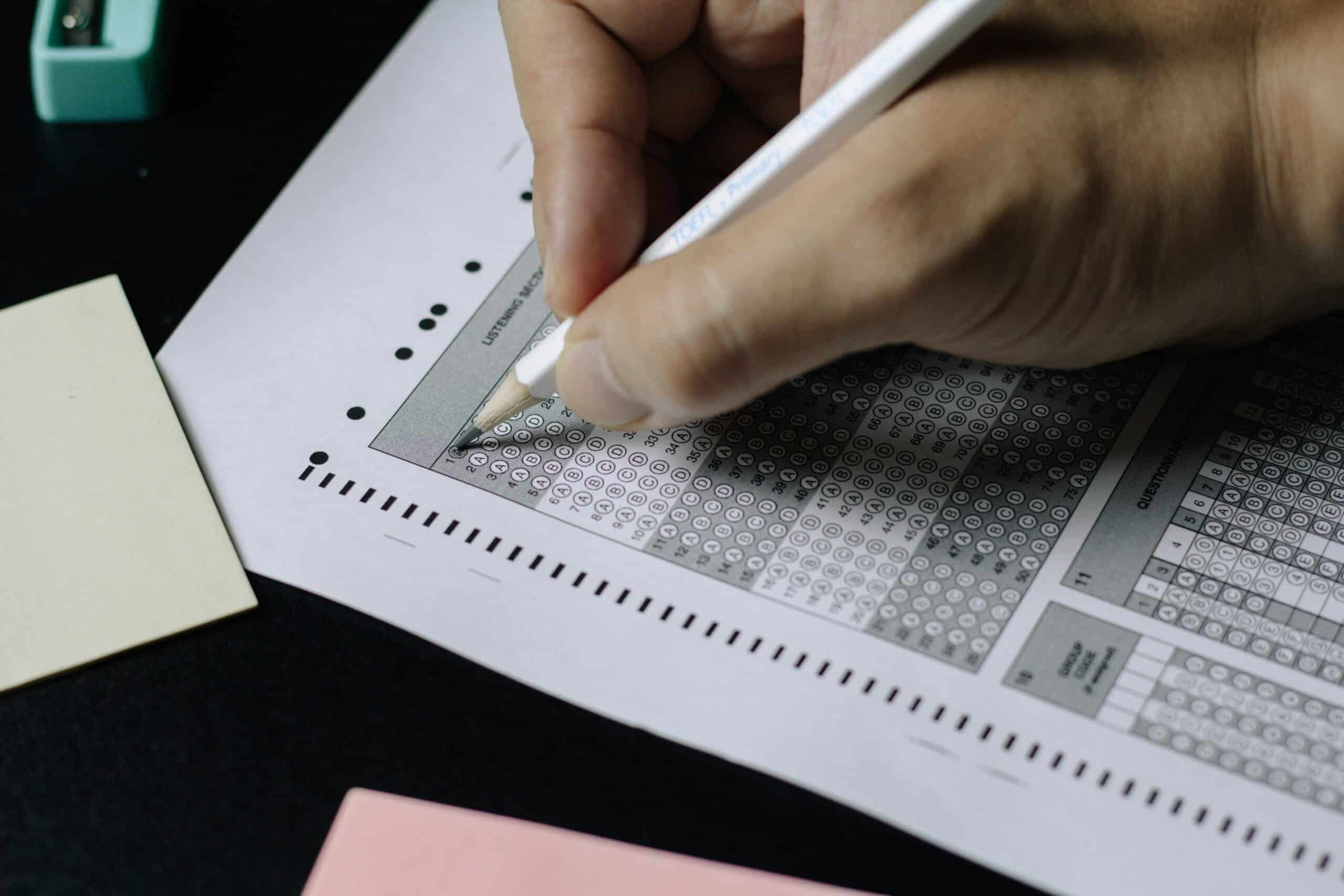
Your Final-Week IB Checklist
Here’s a quick-reference checklist for the remaining days:
- ✅ Identify your remaining papers and rank them by priority
- ✅ Complete at least one past paper per remaining subject under timed conditions
- ✅ Review mark schemes to understand how examiners award points
- ✅ Memorise key formulas, definitions, and frameworks using active recall
- ✅ Plan your time allocation for each paper before sitting it
- ✅ Sleep seven to eight hours the night before each exam
- ✅ Eat a solid breakfast on exam mornings
- ✅ Arrive early, breathe, and do a brain dump at the start of the paper
- ✅ Use MyStudyLife to track tasks, set reminders, and keep your remaining schedule organised
Stay organised, stay focused, and finish strong. Download MyStudyLife on iOS, Android, or web to plan your remaining exams and revision sessions — free.


