


What to Do the Night Before Your Child’s Exam: A Parent’s Guide

The night before an exam is one of the most stressful evenings in any household. Your child is tense. You’re tense. And it’s tempting to either hover anxiously or withdraw entirely — neither of which actually helps.
Here’s the truth: by the night before the exam, the studying is largely done. What happens in these final hours won’t make or break their grade — but it can absolutely make or break how they feel walking into that exam hall. And how they feel has a direct impact on how they perform.
This guide covers exactly what you can do as a parent to set your child up for their best possible exam day — from managing the revision question to getting the morning routine sorted before bed.
Don’t Encourage Cramming — But Don’t Ban Revision Either
The instinct to cram is strong, especially if your child feels underprepared. But research consistently shows that last-minute marathons do more harm than good. A study published in the National Library of Medicine found that spaced study sessions outperform cramming for long-term retention — and that sleep deprivation from late-night studying actively impairs recall the next day.
That said, telling a nervous teenager to “just stop studying” can backfire. It can feel dismissive of their anxiety and leave them spiralling.
The middle ground: light, targeted revision only. Encourage your child to spend 30–45 minutes reviewing key summaries, flashcards, or formula sheets — not re-reading entire chapters or attempting full practice papers. If they’ve been using a tool like MyStudyLife to track their revision tasks, this is the moment that planning pays off. They can see what they’ve already covered and feel confident that the work is done.
Once the light review is finished, revision should stop. Everything after that point is about rest and preparation.
Create a Calm Environment at Home
Your child’s stress level is directly influenced by yours. If you’re pacing the kitchen asking “have you revised enough?”, you’re adding pressure, not support. If the household is noisy and chaotic, their ability to wind down disappears.
Here’s what helps:
Keep the evening routine normal. Don’t turn it into a special event. A normal dinner, a normal evening, a normal bedtime. The more ordinary it feels, the less daunting the next day becomes.
Manage your own anxiety. The American Psychological Association notes that parental anxiety around academic performance often transfers directly to children. If you’re worried, that’s understandable — but keep it to yourself tonight. Your child needs to borrow your calm, not carry your stress.
Reduce noise and distractions. If you have younger children in the house, try to keep the evening settled. Turn off loud TVs. Avoid scheduling anything disruptive. The goal is a low-stimulation environment from about 7pm onwards.
Help Them Pack Everything the Night Before
One of the simplest and most practical things you can do is eliminate the morning scramble. Help your child prepare everything they’ll need for the exam before they go to bed.
Run through this checklist together:
Stationery: Black pens (at least two), pencils, ruler, eraser, highlighters, calculator (if permitted), and any subject-specific equipment.
Documents: Student ID, exam entry slip, or admission card — whatever their school requires.
Essentials: Water bottle, a light snack for beforehand, a watch (phones are typically banned in exam halls), and tissues.
Clothing: Comfortable layers. Exam halls are often too cold or too warm, and being physically uncomfortable is a distraction they don’t need.
Lay everything out by the front door or in their bag. When they wake up, there should be nothing to think about except getting dressed and eating breakfast.
If your child uses MyStudyLife’s calendar to track their exam schedule, they’ll already know the time, location, and subject. One less thing to scramble for in the morning.
Feed Them Properly — Dinner and Breakfast
What your child eats the night before and the morning of the exam matters more than most parents realise. The NHS recommends balanced meals with complex carbohydrates, protein, and healthy fats for sustained energy and concentration.
For dinner: A balanced meal with protein and slow-release carbohydrates — pasta with chicken, rice with fish, or a hearty soup with bread. Avoid anything too heavy, too greasy, or too sugary. You don’t want them feeling sluggish or dealing with an upset stomach.
For breakfast: Eggs on toast, porridge with fruit, or a smoothie with yoghurt and banana. Avoid sugary cereals — they’ll cause an energy spike followed by a crash right when your child needs to concentrate. If your child is too nervous to eat (which is common), a banana and a glass of water is better than nothing.
Hydration matters too. Encourage water throughout the evening and morning. Dehydration impairs concentration and short-term memory.
Get the Sleep Right
This is arguably the most important factor in the entire evening. The National Sleep Foundation recommends that teenagers get 8–10 hours of sleep per night, and research shows that sleep quality in the days leading up to an exam correlates directly with better performance.
A few things that help:
Set a firm “screens off” time. Blue light from phones and laptops suppresses melatonin and delays sleep onset. Ideally, all screens go off 30–60 minutes before bed. This is worth negotiating in advance — springing it on them at 9pm will cause a fight.
Keep the bedroom cool and dark. The optimal temperature for sleep is around 18°C. Blackout curtains or an eye mask can help if their room is too light.
Don’t let them set a backup alarm on their phone by the bed. If the phone is in arm’s reach, the temptation to scroll is too strong. Use a separate alarm clock or offer to wake them up yourself.
If they can’t sleep, that’s okay. Reassure them that lying in a dark room with their eyes closed still provides rest, even if they don’t fall asleep immediately. The worst thing they can do is get anxious about not sleeping — which, ironically, keeps them awake even longer.
Talk to Them — But Choose Your Words Carefully

The night before an exam is not the time for a motivational speech about their future, and it’s definitely not the time to ask whether they’ve studied enough. Both approaches increase pressure.
Instead, keep it simple and reassuring:
“You’ve put the work in, and I’m proud of that.” This affirms their effort, not the outcome. It takes the weight off the grade and puts it on the process — which is what they can actually control.
“Whatever happens tomorrow, it doesn’t change anything between us.” Children — especially teenagers — can start to believe that their worth in your eyes is tied to their exam results. Even if you’ve never said this, exam pressure can distort their thinking. Make it explicit that your love and support aren’t conditional on a grade.
“Is there anything you need from me right now?” This hands them control. Some children want to talk. Others want to be left alone. Ask, and then respect their answer.
Avoid saying things like “this is really important” (they already know), “just relax” (not helpful), or “you’ll be fine” (feels dismissive if they’re genuinely worried). Acknowledge that it’s normal to feel nervous, and that nerves usually settle once the exam actually begins.
Set Up the Morning Before Bed
The morning of the exam should be as frictionless as possible. Decisions take mental energy, and your child needs all of their mental energy for the exam itself.
Before bed, agree on the following:
Wake-up time. Give them enough time to eat breakfast, get dressed, and leave without rushing — but not so much time that they sit around spiralling. Forty-five minutes to an hour before they need to leave is usually about right.
Transport. If you’re driving them, confirm the route and departure time. If they’re getting public transport or walking, make sure they know exactly how long it takes. Being late — or even worrying about being late — can derail their focus before the exam even starts.
What happens after the exam. Having something to look forward to helps. It doesn’t need to be elaborate — a favourite dinner, a trip for ice cream, an evening off with no responsibilities. Just something that says “this will be over, and something good is waiting on the other side.”
A Note on Exam Season as a Whole
If your child has multiple exams over several weeks — as is the case with GCSEs, A-Levels, AP exams, or IB — the night-before routine matters even more. It needs to be sustainable and repeatable, not a one-off heroic effort.
This is where having a system in place pays dividends. Students who use a planner like MyStudyLife to manage their full exam and revision timetable tend to feel more in control across the entire season because they can see what’s coming, what they’ve prepared for, and what still needs attention. That visibility reduces the kind of last-minute panic that makes the night before an exam so stressful in the first place.
If you haven’t set up a system yet and your child is about to enter exam season, it’s not too late. MyStudyLife takes five minutes to set up, syncs across all their devices, and is completely free. And with Family Connect, you can see their schedule too — so you know when to step in with support and when to step back.
The Bottom Line
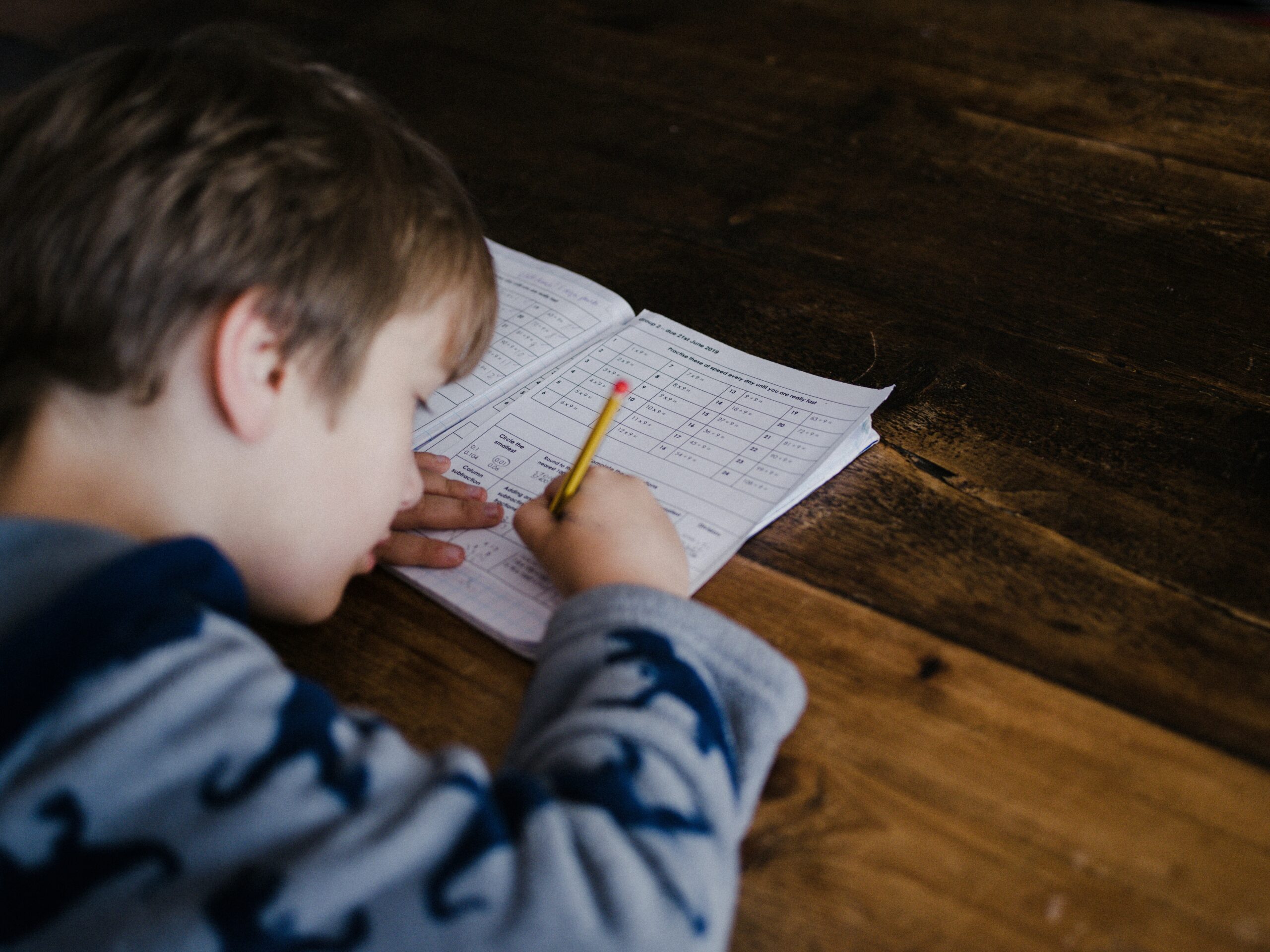
You can’t sit the exam for your child. But you can control the environment around it. A calm evening, a good meal, a packed bag, a decent night’s sleep, and the right words at the right time — these are the things that are within your power, and they make a real difference.
The night before an exam isn’t about last-minute miracles. It’s about giving your child the best possible conditions to show what they already know.
They’ve done the work. Now help them rest, reset, and walk in ready.
Want to help your child stay organised across the entire exam season? Explore MyStudyLife’s exam and revision planning tools or learn how to create a study timetable that actually works.


