


The Best College Course Planners for 2024 for Organization
Navigating the complexities of college life requires more than just attending classes and studying. It demands strategic planning, efficient time management, and organizational skills. A crucial tool in this journey is the course planner. In this article, we’ll explore the significance of course planners in college life, discuss different types of planners available, and delve into effective time management techniques, focusing on hourly time blocking and how to utilize it with an hourly study planner.

The importance of college course planners:
College life often presents students with many new responsibilities, from attending lectures and completing assignments to participating in extracurricular activities and maintaining a social life. Without proper organization, it’s easy to feel overwhelmed and lose track of important tasks. Course planners serve as a lifeline, helping students stay organized, manage their time efficiently, and achieve academic success.
Types of course planners:
Paper planners:
Traditional paper planners offer a tangible way to jot down tasks, deadlines, and class schedules. They appeal to students who prefer a tactile experience and enjoy the act of physically writing things down.
Digital planners:
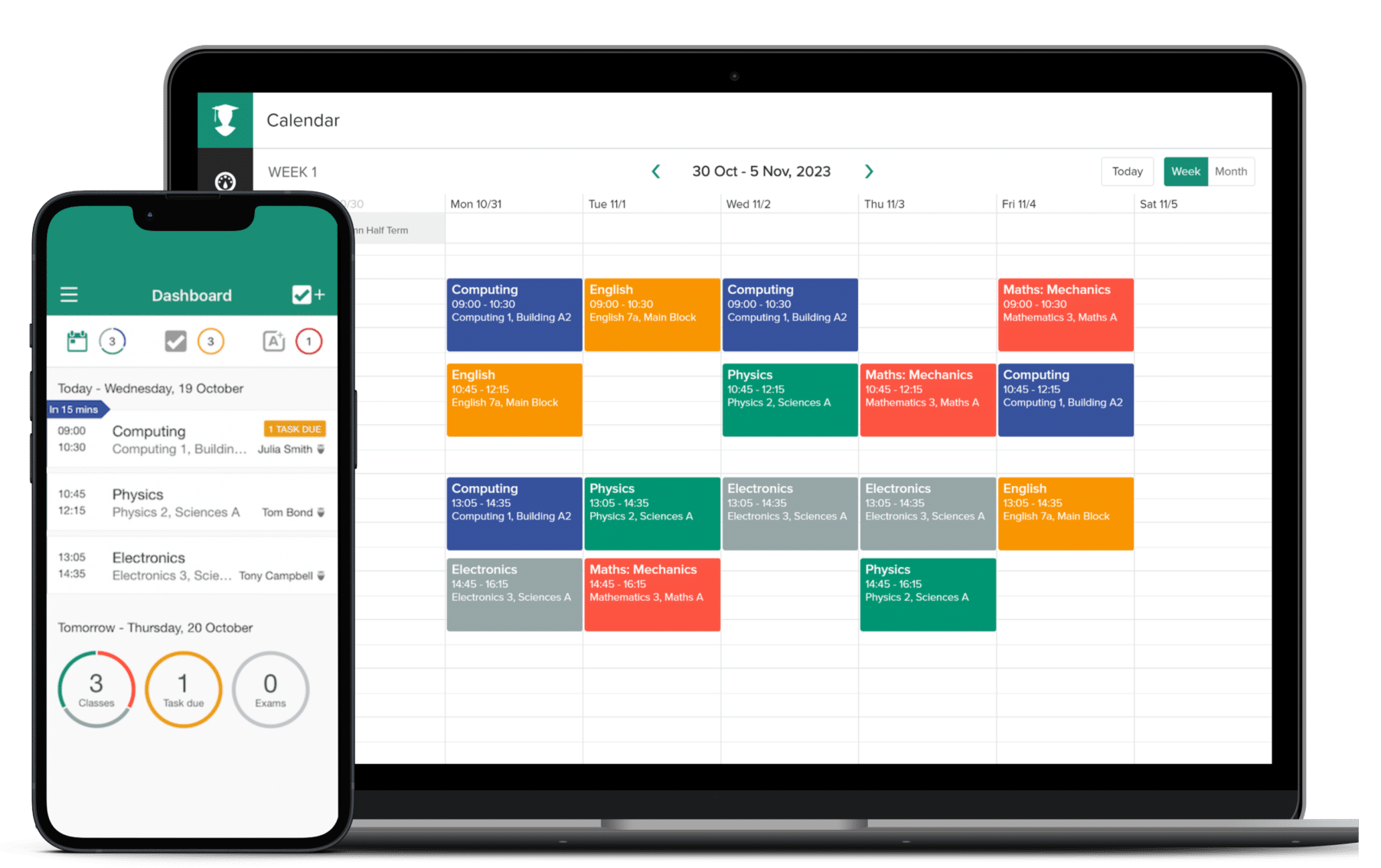
Digital planners come in various forms, including mobile apps and online platforms. They offer convenience, accessibility, and often integrate with other digital tools like calendars and reminders. One notable example is the MyStudyLife course planner app, which provides features tailored specifically for students, such as tracking assignments, exams, and class schedules, all in one place.
Bullet Journals:
Bullet journals combine elements of planning, journaling, and creative expression. Students can customize their layouts, track goals, and organize tasks using symbols and rapid logging techniques. While they require more initial setup, they offer flexibility and personalization options.
Academic Planners:
Academic planners are designed specifically for students and typically include features such as semester schedules, course overview pages, and space for assignment tracking. They provide a comprehensive approach to academic planning and are often available in both paper and digital formats.
Planner Apps:
There are many free planner apps available, such as MyStudyLife, Todoist, Trello, and Google Calendar. These apps offer a range of features, including task lists, reminders, and collaboration tools, making them versatile options for college students. Free college course planner apps are a great way to track your schedule on the go.
Online Platforms:
Some online platforms, like Notion and Evernote, offer robust planning and organization capabilities. Students can create custom workflows, databases, and templates to streamline their academic and personal lives.
Printable Planners:
For students who prefer the flexibility of paper planners but want the convenience of digital access, printable planners offer the best of both worlds. These planners can be downloaded and printed at home, allowing students to customize their layouts and pages according to their preferences.
Hybrid Planners:
Hybrid planners combine digital and analog elements, catering to students who appreciate the flexibility of digital tools but also value the tactile experience of writing. Examples include planners that sync with both mobile apps and physical notebooks, offering seamless integration between digital and paper-based planning.

Effective time management techniques to use alongside your course planner for college:
Time management is crucial for college success, and one effective technique is hourly time blocking. This method involves dividing your day into hourly increments and assigning specific tasks or activities to each block of time. Here’s how to implement hourly time blocking effectively:
Set clear goals: before creating your time blocks, identify your priorities and goals for the day or week. Whether it’s studying for an upcoming exam, completing assignments, or attending classes, having clear objectives will guide your time blocking strategy.
Allocate time wisely: estimate the amount of time each task will take and allocate sufficient time blocks accordingly. Be realistic about your capabilities and avoid overloading your schedule, as this can lead to burnout and inefficiency.
Eliminate distractions: during each time block, focus solely on the task at hand and eliminate distractions such as social media, emails, or text messages. Consider using productivity tools like website blockers or the Pomodoro Technique to maintain focus and concentration.
Schedule breaks: incorporate regular breaks into your schedule to rest and recharge. Breaks are essential for maintaining productivity and preventing mental fatigue. Experiment with different break intervals to find what works best for you, whether it’s a five-minute stretch every hour or a longer break every few hours.
Review and adjust: at the end of each day or week, review your time blocks and assess your progress towards your goals. Identify any areas where you may have overestimated or underestimated your time and make adjustments accordingly. Continuously refine your time-blocking technique to optimize your productivity and efficiency.
Utilizing an hourly study planner:
An hourly study planner is a valuable tool for implementing hourly time blocking and maximizing your study sessions. Here’s how to use an hourly study planner effectively:
Create a study schedule: Start by creating a study schedule based on your course workload, deadlines, and personal preferences. Determine which subjects or topics you need to focus on and allocate specific time blocks for studying each day.
Break down tasks: break down larger tasks, such as reading assignments or exam preparation, into smaller, manageable chunks. This will make it easier to allocate appropriate time blocks and track your progress more effectively.
Prioritize tasks: identify the most important tasks or topics that require immediate attention and prioritize them in your study schedule. Consider factors such as upcoming deadlines, difficulty level, and importance to your overall academic goals.
Stick to the schedule: Once you’ve created your study schedule, commit to following it rigorously. Treat each time block as sacred and avoid procrastination or distractions during your study sessions. Stay disciplined and focused to make the most of your allocated study time.
Stay flexible: While it’s important to stick to your study schedule as much as possible, be flexible and adaptable when unexpected events or changes occur. Adjust your schedule accordingly to accommodate new priorities or challenges, but strive to maintain consistency and balance in your study routine.
Course planners are indispensable tools for college students seeking to stay organized, manage their time effectively, and achieve academic success. Whether you prefer traditional paper planners, digital apps, or a combination of both, finding the right planner for your needs is essential. By incorporating effective time management techniques such as hourly time blocking and utilizing an hourly study planner, you can optimize your study sessions, stay on top of your coursework, and thrive in college.


